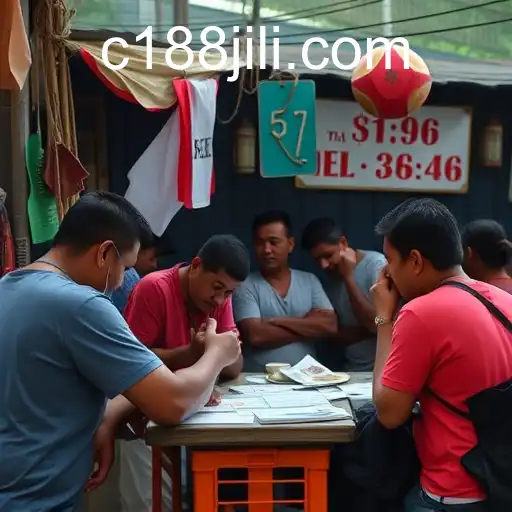
Understanding Jueteng: The Intricacies of a Cultural Phenomenon
Jueteng, a nuanced part of the Philippine socio-economic landscape, has persistently intrigued many due to its controversial nature. As an illegal numbers game deeply entrenched in Filipino culture, it lures people from various walks of life. Despite numerous efforts to eradicate it, jueteng thrives in an environment fueled by hope, desperation, and often, complicity.
axiebet88The Basics of Jueteng
fc777Originating from the Chinese words "hue," which means "flower," and "ting," meaning "to listen," jueteng predominantly operates as a grassroots lottery. Participants bet on a combination of numbers, which are drawn daily. Traditionally facilitated by a network of collectors, also known as "kubrador," jueteng offers cash rewards that significantly outstrip the minuscule betting amounts.90 jili
Why Jueteng Persists
The persistence of jueteng can be attributed to several socio-economic factors. Firstly, it requires minimal investment with potentially high returns. Secondly, its operations are localized, often conducted under the radar, undetected by law enforcement. More importantly, jueteng fills the gap left by unemployment and poverty. It functions as both a pastime and a potential boon for those daring enough to play.
The Nexus of Betting and Society
Jueteng's impact on society is profound. It not only reflects the inefficiencies of the government in providing robust social welfare programs but also underscores the power structures that allow such operations to flourish. Often, jueteng functions with the tacit nod of law enforcement and local politicians, who sometimes benefit financially from maintaining the status quo.PHL63
The Role of 188 Jili
188 Jili represents a modern facelift for traditional betting practices, merging technology with old habits. Online platforms using this keyword have wrought significant changes to the betting landscape by offering more accessible and discreet channels for users to participate in similar numbers games. These digital iterations raise questions about regulation, transparency, and the moral implications of transferring an illegal offline activity into the digital realm.
The Legal Endeavor to Control Jueteng
aaa jiliAttempts to curtail jueteng have featured prominently in the legislative agenda of numerous administrations, though with limited success. These measures often fall short due to the deeply ingrained nature of jueteng in the social fabric and its economic draw for many. Recognizing its economic implications, some have suggested legalization as a viable solution, which could bolster government revenues and ensure fair play.
Proposed Legalization and Its Implications
The proposal to legalize jueteng centers around the potential advantages such as tax revenue generation, regulation, and enhanced player protection. Whether this transformation from informal to formal can occur without resistance from existing power brokers remains debatable. However, proponents argue it could create a win-win situation where the state benefits financially while players engage in a regulated environment.
Cultural Significance of Jueteng
Jueteng extends beyond its economic repercussions; it is a cultural phenomenon. It mirrors the dreams and desires of ordinary citizens seeking a tangible change in their fortunes. In several instances, it's intertwined with community activities, suggesting its acceptance as more than just a game but a social ritual. Such embeddedness presents challenges for any regulatory attempts.
Opportunities for Change
Despite the challenges, jueteng does offer opportunities for societal progress. If harnessed correctly, the enthusiasm and participation levels in games like jueteng could channel towards more constructive endeavors. Community programs tailored to educate and engage citizens in productive activities could transform these traditional betting groups into cooperatives aiming for socio-economic upliftment.
Conclusion: The Path Forward
The future of jueteng is intricately linked to broader societal changes in the Philippines. Bridging the gap between existing informal economies and modern socio-economic structures requires innovative solutions, participatory governance, and strategic policy shifts. The keyword "188 Jili" signals an evolution at this juncture, marking a potential crossroads where tradition and modernity intersect, offering both challenges and opportunities for those willing to engage with this pervasive aspect of Filipino culture.